
Integration With Business Application
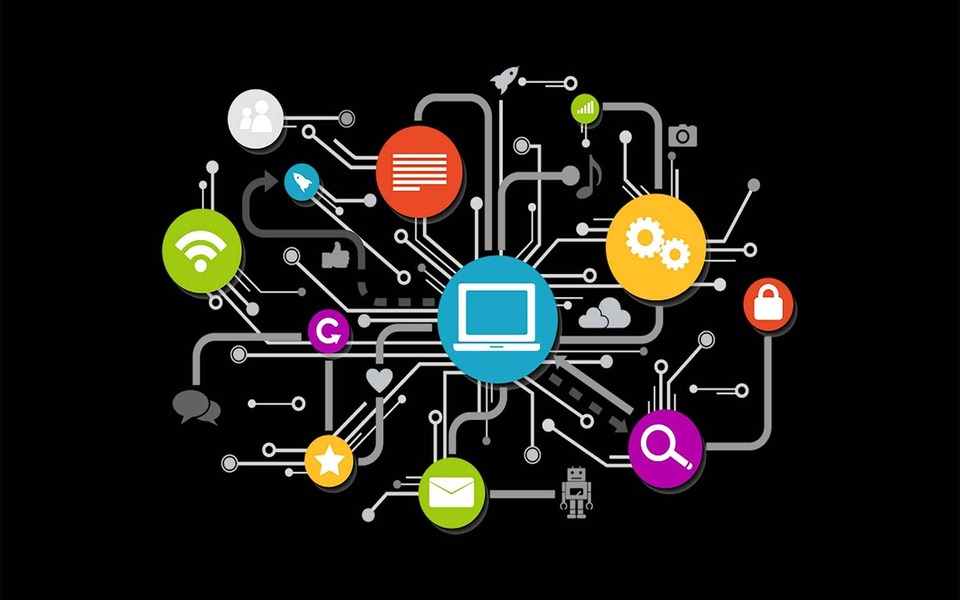
To increase operational effectiveness and improve choice-making, integration with business applications is essential. To facilitate smooth transmission of information and interaction between different corporate systems and applications, it entails linking them. By removing data barriers and fostering departmental cooperation, this integration guarantees that crucial data is available in real time.
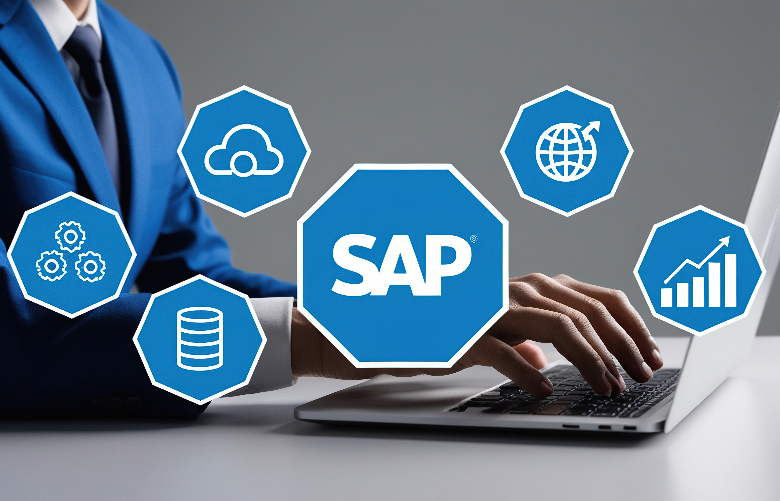
Sales, finance, human resources, and customer service may all be streamlined by integrating core business applications like enterprise Resource Planning (ERP), Customer Relationship Management (CRM), Human Resource Management Systems (HRMS), and Accounting software. Marketing and the finance department can exchange client data by integrating a CRM with an ERP, for example, which speeds up order fulfilment and raises the level of client satisfaction.
Current cloud-based applications often have connectivity using API-based integration, which provides versatility and agility. Legacy systems, meanwhile, might need middleware solutions to guarantee compatibility with other protocols by combining data from various sources into a single dashboard; business application integration also increases reporting and analytics while providing valuable insights for decision-making. Automation utilizing integration also minimizes lapses and saves time, making operations like data entry, invoice generation, and onboarding new employees easier and increasing productivity. When all is said and done, business application integration boosts operations, lowers operating costs, and gives organizations a competitive edge by allowing them to be more adaptable in the dynamic business environment of today.
Thus, the transmission of data is guaranteed and productivity in operations is increased. It increases manufacturing, decreases errors, and eliminates manual labour. Coordination is improved and greater overall strategy is made possible by real-time insights.